









The Unique, Fascinating History of Eastchester’s Garth Road
- Friday, 06 February 2026 17:04
- Last Updated: Friday, 06 February 2026 17:09
- Published: Friday, 06 February 2026 17:04
- Robert Mawson
- Hits: 2442
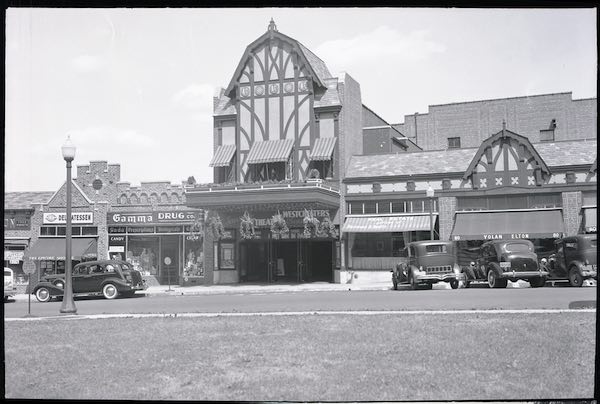 Scarsdale Theatre, looking east across Garth Road, circa 1937. Courtesy of the Westchester County Historical SocietyA 30-acre enclave just south of the Scarsdale Harlem Line Rail Station, Garth Road suddenly developed in the late 1920s, only to stop equally suddenly with the Depression. Over the next four decades, it came to fulfill the developer’s vision with a collection of multifamily housing developments that also reflecting the changing real estate environment. Today, with a population of 3300 in 1750 units, Garth Road has 13 residential buildings, nearly all cooperatively-owned, complemented by a robust main-street commercial center, formal and rustic parkland, and commuter rail and roadway access.
The Development of Garth Road, Eastchester, New York, 1926-66 tells that story in three parts. The first part explores the forces that led to the original vision and the haltingly forty-year saga of development in the neighborhood. The second part is a building-by-building historic and architectural survey of each building in the district. The last section is a detailed look at one building, The Thornycroft, and its architect, George F. Pelham.
Written by architectural historian Robert Mawson, the monograph is available online free-of-charge from the Scarsdale Historical Society’s website in the articles section at the following link:
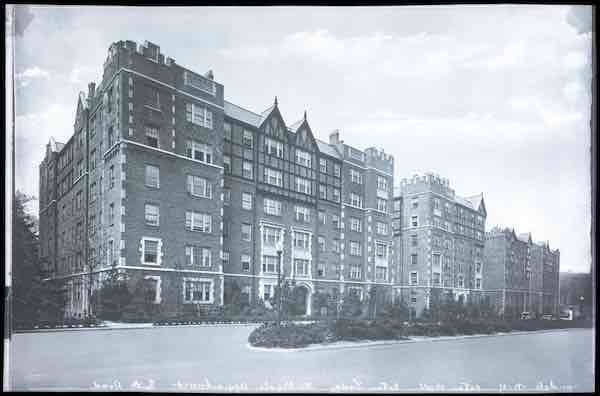 Garth Road looking northwest at Eton Hall, Eton Lodge, and Northgate, circa 1935. Courtesy of the Westchester County Historical Society
 In other news from the Scarsdale Historical Society, they just launched their first podcast, ScarsTales, uncovering the untold, unexpected, and occasionally scandalous stories behind Scarsdale’s past.
In the premiere episode of ScarsTales, host Lori Rothman is joined by fellow Scarsdale Historical Society trustees and village historians Jordan Copeland and Leslie Chang to introduce the podcast and share two of their favorite local history discoveries. Listen here: