







Village to Explore Development of the Freightway Site
- Friday, 09 January 2026 16:07
- Last Updated: Saturday, 07 March 2026 20:50
- Published: Friday, 09 January 2026 16:07
- Joanne Wallenstein
- Hits: 2396
 The following letter was sent to Mayor Justin Arest to Village residents on January 9, 2026.
Dear Scarsdale:
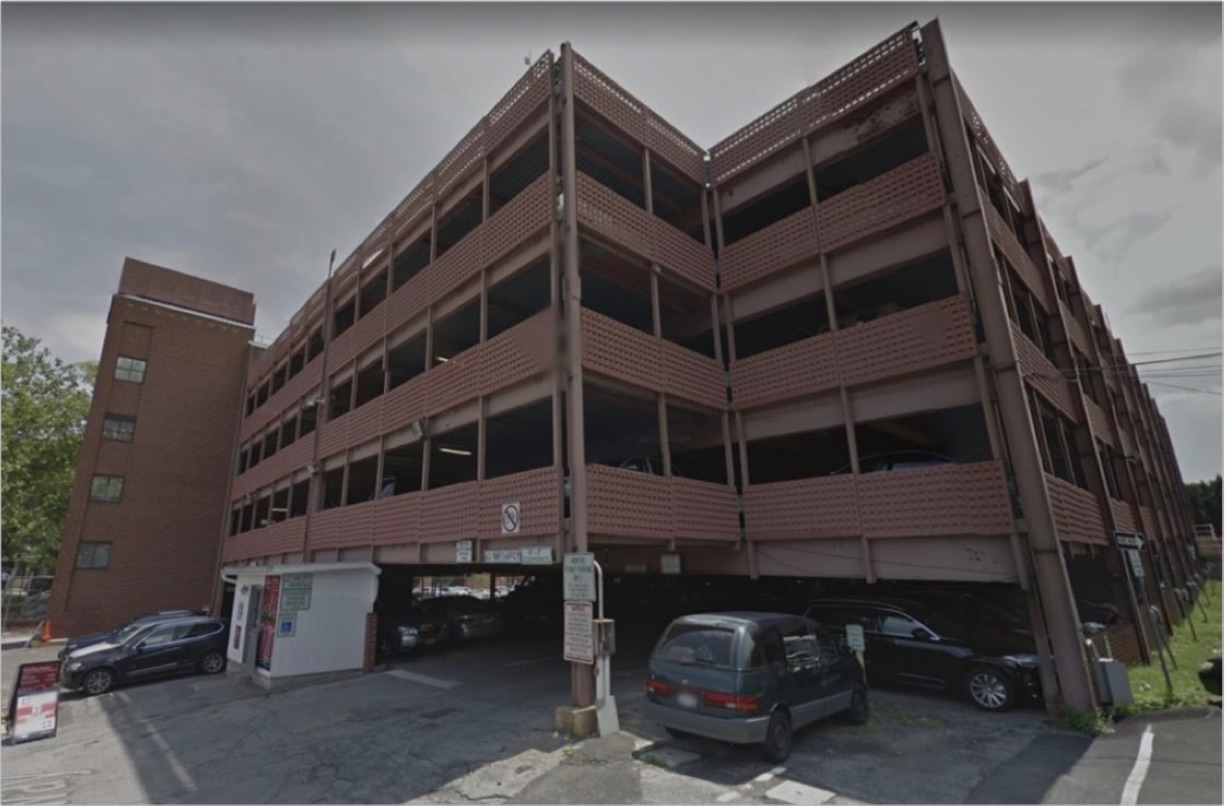
For generations, the Village-owned Freightway site has been a topic of much debate and several unfinished chapters. Efforts to develop this area date back to 1995, 1981, and even earlier. Today, we are pleased to begin a proactive, community-led process to redevelop the Freightway site that keeps community input at the heart of how this vital area evolves. As we look toward the future of our Village center, we can build on what we have learned from past efforts and move forward together with a fresh approach.
Overview of our Most Recent Experience
The Freightway Steering Committee was created by the Village Board in 2017 with a mandate to “develop a community-based vision and set goals for redeveloping the underutilized Freightway site...” It issued a report in 2018, which led to a developer selection process in 2019. However, the Board paused the process in 2020 because many felt the community's voice was being lost. We recognize that much of the unease stemmed from the traditional model approach, where a developer is chosen first and then leads the Environmental Impact Statement (EIS) process based on their specific development proposal. Under that model, the developer prepares the EIS and the Planning Board typically serves as the Lead Agency (the body with the authority to oversee the environmental review process and evaluate the EIS). While this is standard for most projects, in this context it may have created a perception that key decisions regarding the scale and density of the project had already been made and that a project’s approval was inevitable.
We are flipping that process upside down. In simple terms, we are asking the community to help define what could be possible on the Freightway site before any developer is engaged.
By first conducting a Generic Environmental Impact Statement (GEIS), the Village Board is choosing to do the hard work of planning together and transparently with the community upfront. This is a broad planning and environmental review that will inform us of the type and extent of redevelopment the site can support. The Village Board will retain direct control of the process by acting as the Lead Agency, drafting the GEIS (through the Village Planner and retained land use consultants), ensuring that your elected representatives are the ones setting the standards. Together, we will analyze various "what if" scenarios by examining different heights, densities, and development configurations to determine the potential impact on our schools, traffic, and infrastructure. This study will establish the requirements that any future redevelopment of the site must meet.
To ensure this process is exhaustive and transparent, the Village will soon engage professional planning consultants to provide essential expertise in areas including traffic, school demographics, and economics. Most importantly, we are committing to a process that keeps you at the center through:
• Community Scoping Session(s): Formal meeting(s) where the community identifies the specific environmental, social, and economic impacts that must be analyzed in the study.
• Public Working Group Presentations: Open sessions where our consultants will present data on key topics such as school enrollment and traffic to ensure transparency while the study is being drafted.
• Community Visioning Workshops: Interactive sessions to discuss the preferred look, feel, and scale of any redevelopment to ensure the final study considers Scarsdale's unique character.
This approach represents a significant commitment of Village resources, but it is also an investment in community confidence. By funding this study ourselves, we ensure that the planners and engineers work exclusively for the Village, not for a private developer. While the Village will lead this effort, we are under no obligation to proceed; if the final study shows that redevelopment cannot meet our community standards, we will not move forward. After the conclusion of the GEIS process, if a preferred developer is ultimately selected, the Village expects to be reimbursed for costs incurred in conducting this study.
The Village Board invites you to be a part of this journey. Attached is a Frequently Asked Questions page to help explain how this new process works. Let us build something together of which we can all be proud.
Sincerely,
Justin Arest
Mayor
Frequently Asked Questions: The GEIS Process
What exactly is a Generic Environmental Impact Statement (GEIS)?
• A GEIS is a formal study used to consider broad planning actions for a specific area. Unlike a typical review that looks at one specific building plan, a GEIS looks at a range of possibilities.
• It allows the Village to set "thresholds," which are legal limits on things like traffic, building size, or school impact that any future project must respect.
Who ultimately decides what happens?
• The Village Board of Trustees serves as the Lead Agency. In this role, the Board determines which topics are examined in the GEIS, ensures the sufficiency of the data collected, and makes final decisions based on expert reports and studies.
• However, the GEIS process is designed so that public input informs the GEIS Scope (the document that sets forth what will be studied), the Draft GEIS (the document which explains the data collected and conclusions reached), and
the "Findings Statement" (the final document that sets the requirements for any future development of the site).
• The Board's decisions will be based on the data provided by experts and the consensus built through community engagement workshops.
How much will this cost and who pays for it?
• The Village Board is currently finalizing the budget for this work, which will be informed by the competitive RFP process.
• To ensure total independence, the Village is paying the upfront costs. This ensures the data is unbiased and the experts are accountable only to the Board and the community.
• Under New York State law, the Village can recover a significant portion of these costs via "charge-backs" to any developer who eventually moves forward with a project that utilizes this study.
Is "no development" an option?
• Yes. Every GEIS is legally required to study a "No Action" alternative. This study will provide the data to understand the costs and benefits of keeping the site as it is today versus various change scenarios.
Where can I find all project documents and updates?
• The Village has a dedicated project page on our website. All formal documents, including the GEIS Scope, Draft GEIS, and data presentations, will be posted there as they become available.
• You can also sign up for NotifyMe to receive Village email notifications about important topics including Freightway, here.
How can the community get involved?
• This process is designed to be public, visible, transparent, and participatory. The community can participate through the formal GEIS Scoping process, written comment periods, and public hearings.
• The GEIS study will be managed by a Village Center Transit Oriented Development (VCTOD) Working Group consisting of the Mayor, Village Board Land Use Committee Chairs, Village staff, and professional consultants. All findings will be presented in public meetings for review, with final oversight and decision-making by the Village Board of Trustees.
What is the preliminary timeline for 2026?
• January: Issue the RFP to hire the professional team with expertise in planning, traffic, school demographics, economics, and other relevant fields.
• February/March: Select the team and begin the formal Public Scoping process.
• Spring: Hold Community Scoping Session(s) and initial Data Workshops while the community is in session.
• Summer: Consultants conduct technical analysis and data compilation. To ensure maximum participation, no formal public scoping sessions or hearings will be held during the peak summer travel months.
• Fall: Present the Draft GEIS (DGEIS) for full community review and public hearings.
• Future Steps: The schedule for the Final GEIS, Findings Statement, and any potential Zoning Code changes will be determined after a DGEIS is adopted by the Board.
Comments
1. In looking at past reports, I do not see anything documenting the historic development of Garth Road. I would urge you look at this history accessed through the Scarsdale Historical Society if for no other reason than to inform the GEIS study regarding cultural resources:
(https://www.scarsdalehistoricalsociety.org/the-development-of-garth-road)
2. There is conversation about using the redevelopment of Freightway for improving connectivity with the Garth Road residents. This is a laudable goal for many reasons, to be effective, there needs to be targeted efforts to reach out to this specific audience to understand how this may (or may not) be achieve.
I appreciate your efforts and believe your path is a good one.