







Board Reviews Special Education Program
- Details
- Written by: Wendy MacMillan
- Hits: 3617
 For a variety of reasons, including the cost saving benefits of keeping students in Scarsdale rather than sending them out of district for their special education needs, the District has made a concerted effort to expand and improve upon special education programming at each of the Scarsdale schools.
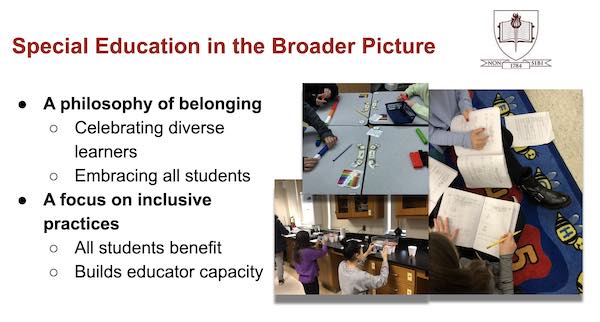
At the Board of Education meeting on Monday December 16th, Assistant Superintendent for special education Eric Rauschenbach and Assistant Director of Special Education Amy Cermele, gave a thorough presentation explaining the evolution of special education in the district and how the growth of inclusive programming benefits all students and not only children who qualify for a 504 or an individual education plan.
While the incredibly informative presentation can be viewed in its entirety here. You can find some of the important highlights below:
In an overview of Special Education that included a look at current numbers and historical trends in Scarsdale, Rauschenbach began with the reminder that, “ It is important to reiterate that the goals for special education students are the same goals we have for all students – to give them the tools to live independent, purposeful lives with as many choices as their desires and talents allow. Special education is simply the mechanism for students who need specialized methods and tools to get there.
Those methods and tools address four main things; access, self understanding, self advocacy, and planning for the future. All of the programs and services you hear us reference tonight are in service to one of these four areas.”
Rauschenbach also described the state and federal mandates that require consideration when providing an education to a student with special needs. As he stated, “If we boil both the federal and state regulations down, the requirement that all students with a disability receive a free and appropriate public education would be at the center. We refer to this as FAPE.” Rauschenbach and Cermele went on to outline how the Scarsdale District works to address individual student needs so as to allow them access to the general education curriculum AND offering a continuum of educational programs to meet those needs. This work includes careful consideration of pedagogy, professional development, targeted materials and programs based in research, universal design – collaboration with general education, teacher input, feedback, and support.
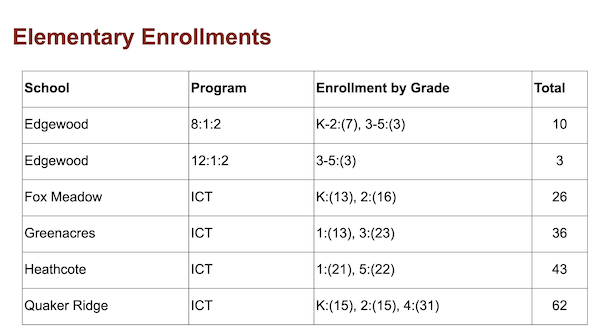
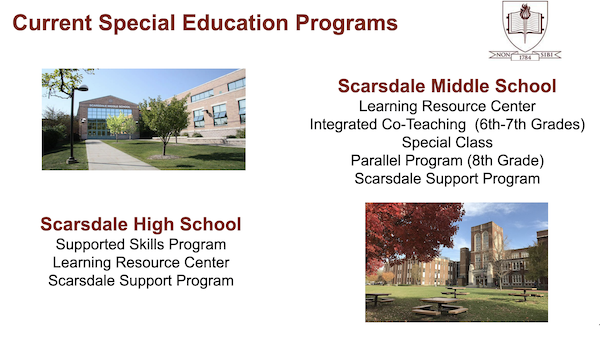
Rauschenbach then highlighted the types of special education programming Scarsdale offers at each of its seven schools.
The presenters went on to share several graphs that chart the increase in the number of students requiring special education services. Rauschenbach noted “Currently, we have 627 special education students and 82 Preschoolers with an IEP. Since 2018-19 Scarsdale has seen an increase of 267 classified students.This represents slightly over a 50% rise in students with IEPs.”
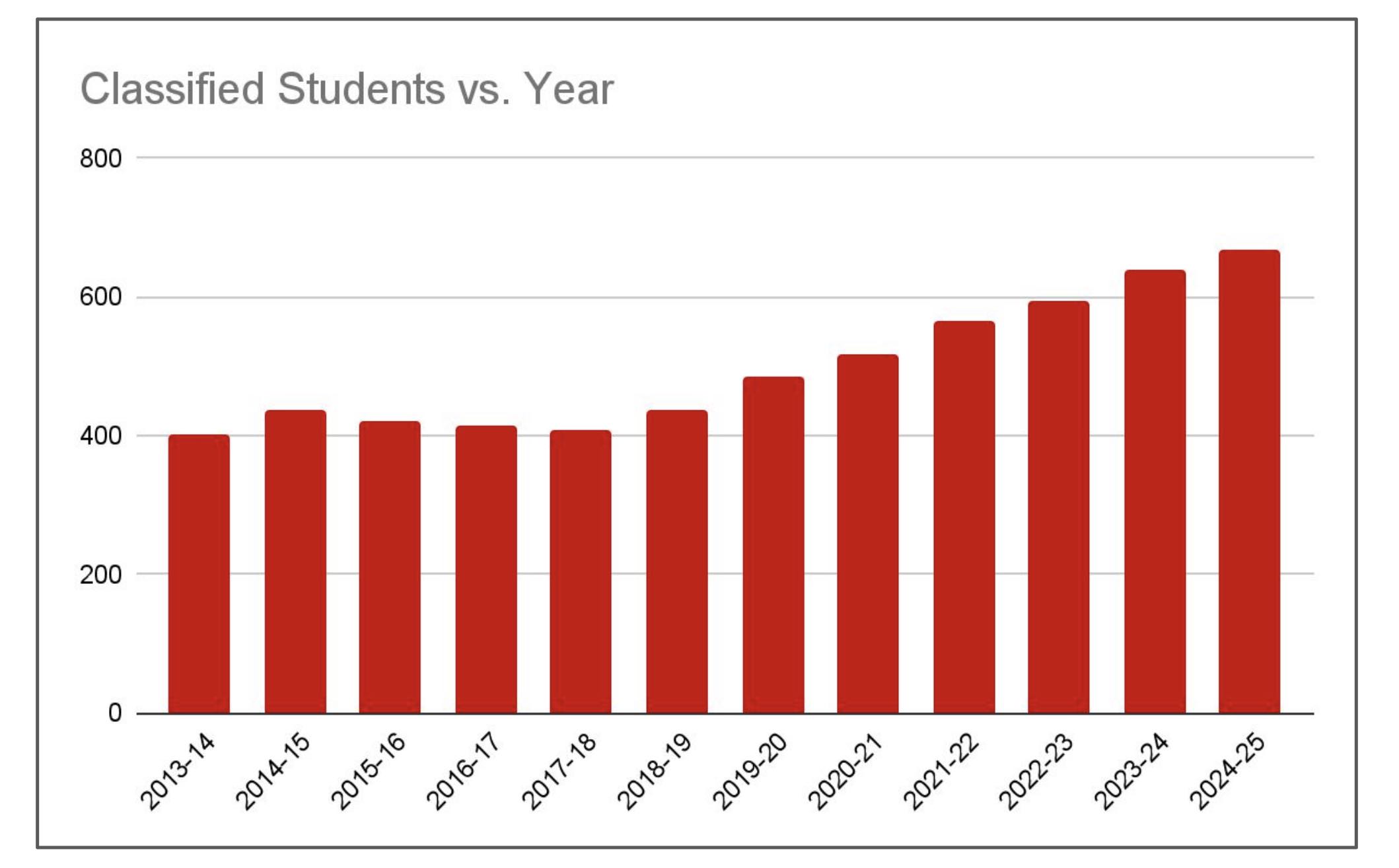
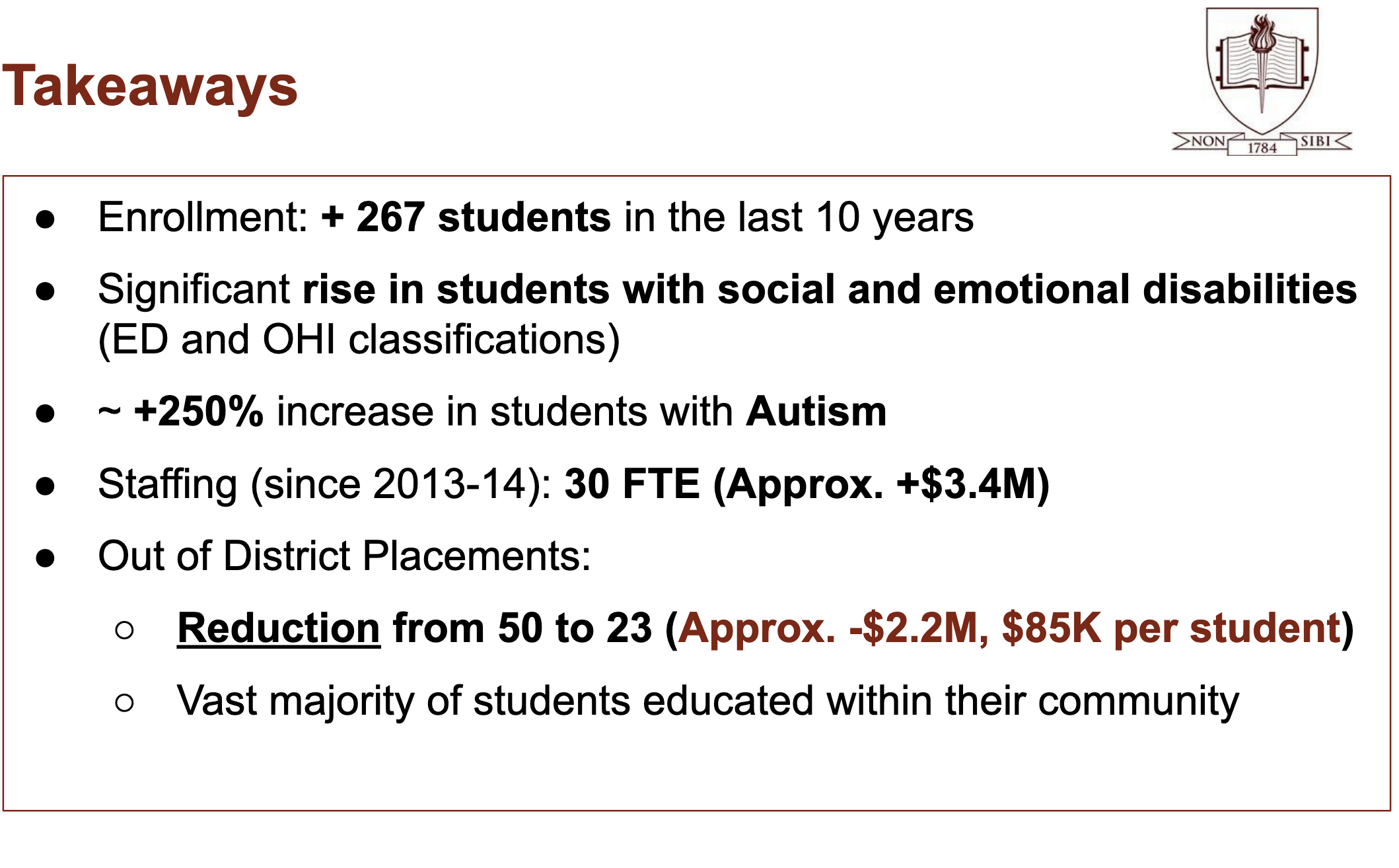
Some in our community have recognized the increase in the number of full time employees (FTE) which Rauschenbach says directly stems from the increase in students qualifying for an IEP. “Seventeen of the FTEs are a direct result of additional students participating in the elementary ICT program. The positions for Learning Resource on the secondary level account for the increased population and the need for additional sections. The additional District Psychologist, behaviorist, and the Assistant Director have stemmed from the overall increased needs presented by 267 additional Special Education students. The remaining additions for our SSP and Special Class programs are largely serving populations that would have required out of District placements prior to those programs being available.”
In summing up the trends and our current situation, Rauschenbach made note of these key takeaways:
As special education programs expand to meet the growing needs of our students, the District recognizes their responsibility to regularly assess the success of both the students being served, and of the program as a whole. When evaluating the effects of some of the recent organizational changes, Rauschenbach made clear:
“Prior to the expansion, our chairpeople all led more than 150 CSE meetings per year and the CPSE/CSE chairperson led just over 300. These numbers diminished the capacity for our CSE chairpeople to address other needs including parental responsiveness, observing students, meeting with teams, collaborating to create consistent practice, and providing professional development around CSE compliance. The additional position has provided that increased capacity.”
“Similarly to the CSE process, [before hiring additional support] there was a capacity issue around programmatic supervision. The Assistant Superintendent was the only administrator, causing a bottleneck around programming and student based decisions, both which had budgetary or supervisory impacts. The additional administrative position and the lowering of caseloads, has allowed for more programmatic focus and greater support for teachers and building administrators.”
When describing assessment of an individual student’s success, Cermele related that the process involves many steps including: Identifying the student’s need through evaluations, developing goals, and monitoring progress through items like classroom work samples and exams (when directly related to goals).
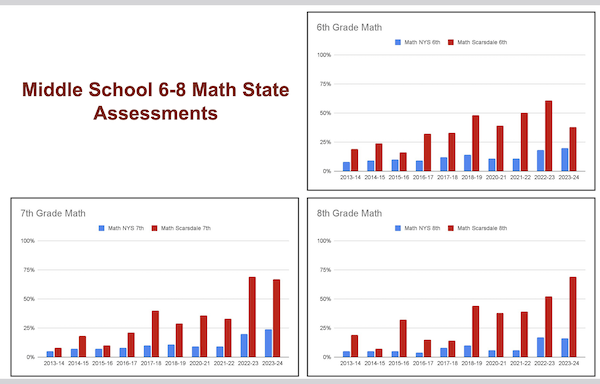
Using data from state assessments, Cermele went on to share several slides that illustrate program success on a larger scale and explained, “The data shows that while we have always outperformed the state, there has been a very positive trend in performance over the past 10 years. This trend coincides with the expansion of the ICT program, concerted effort with regards to Professional Development, more focused MTSS procedures, and the increase in related services including reading and social emotional support.”
Before ending the presentation, Rauschenbach and Cermele made sure to share:
“Using data to assess is important, but it is also only one part of assessing success. Regular feedback from staff, families, and students is important to gauge whether the programs are both meeting needs and are feasible. Regular opportunities for that feedback are woven into the system for staff in department and team meetings. These opportunities are expanded in areas where we are expanding or significantly changing programs. Similarly, in conjunction with CHILD I hold 6 coffees 2 for each level each year, to garner feedback and answer questions from parents. CHILD reps hold additional coffees on the elementary level and the chairs and I meet regularly to discuss any concerns. Parents also have regular contacts through the CSE and team meetings held at least once a year. Teachers also make regular practice of engaging students about their experience through class and individual conversations – this is a practice that is further encouraged through our work with Responsive Classroom.”
You can see all of the slides from this presentation here
Student Spotlight: Inspired by Personal Experience Katz Researches Apraxia
- Details
- Written by: Wendy MacMillan
- Hits: 2944
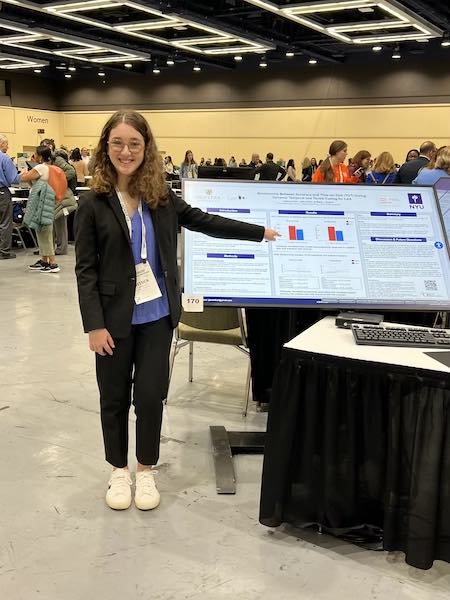 Scarsdale's Jessica Katz presented her research at the meeting of the American Speech-Language-Hearing Association.The American Speech-Language-Hearing Association (ASHA) Convention is an annual event where close to 15,000 audiologists, speech-language pathologists, and other scientists and scholars gather to share the latest research, clinical skills, and techniques in communication sciences and disorders. The prestigious event doesn’t usually invite high school students to share their research, but this year Scarsdale High School Senior Jessica Katz was an exception.
As a student in the Science Research Program at SHS, Katz has been researching treatment for apraxia of speech, a neurological disorder where a person has difficulty speaking due to the brain's inability to plan and sequence the movements needed to produce speech sounds. Since her sophomore year, Katz has worked closely with Dr. Julie Case, a professor and the director of the Case Speech Production Lab at Hofstra University. With Dr. Case's encouragement, Katz submitted an abstract from her work to ASHA and was subsequently asked to present at this year’s three day convention in Seattle, Washington.
Truly honored to present alongside some of the best scientists and professionals in the field, Katz graciously agreed to provide us with more details about her research and her experience at the convention.
Q: Can you tell us more about your research?
A: I researched a motor speech disorder called Childhood Apraxia of Speech (CAS), of which the core deficits are attributed to impaired motor planning and programming. My research specifically investigated the role of attention within treatment sessions by examining both the relationship between attention and gains in speech accuracy and how attention differed when a child practiced with their caregiver as compared to their therapist. Understanding the role of attention during sessions is critical so therapists can structure practice and breaks to ensure that the child is most productive, and my main goal in doing this research was to begin developing that understanding since attention has not previously been studied in the context of CAS.
Q: At the convention, what were you trying to message to your audience? What did you hope people walked away with?
A: I wanted the audience not only to learn about the results of my research, which indicated that a higher number of repetitions of a given word was associated with higher speech accuracy, but also for them to hear that much more work is still needed to fully understand the relationship between attention and accuracy within therapy sessions for CAS. My research brought up many future questions, like the role of attention during home practice sessions and the best way to quantify the degree of practice children engage in during therapy. I hope attendees walked away from my poster inspired to achieve an elevated understanding of this topic and make change within the field.
Q: What inspired you to do this work?
A: Throughout this process, I have been motivated and inspired by my personal life experiences and those who have helped me along the way. As a young child, I was diagnosed with CAS and told that there was an 85% chance that I would never be able to speak clearly. I am so grateful for all of the therapists who I worked with because of their dedication to helping children improve, which pushed me to consider how I could make an impact on this field. Upon hearing about the opportunity to take part in the science research course, I knew that I wanted to investigate this disorder and help children who are in the same position that I was once in.
Q: How has your research and this experience impacted you?
A: Conducting research has been a very rewarding experience for me and has shaped the way I approach learning. I am so glad that my work was able to provide the foundations for future exploration of the role of attention in therapy sessions, and being able to share these findings with others in the field was a special opportunity. From the research process and talking to researchers at the convention, I have learned that there is usually not a clear answer to the research question, especially in the early stages of investigating a topic. Continued questioning and experimentation is necessary in order to obtain tangible results, and this has changed my outlook in all aspects of my education. I am more comfortable not knowing the answer and leaning into the investigation of any topic.
Q: Do you have plans to continue with this effort?
A: Yes, I definitely plan to continue this work! This coming year, I will be presenting my findings at the Westchester Science and Engineering Fair (WESEF). From my discussions both with my mentor, Dr. Julie Case, and with other researchers who stopped by my poster at the convention, I have also developed a lot of ideas for new analyses that I want to conduct that could lead to a more nuanced understanding of the role of attention in therapy for CAS.
Not only a brilliant young scientist, Katz is also incredibly humble. Before ending our interview Katz made sure to add, “I want to make sure to thank my mentor, Dr. Julie Case, for giving me the opportunity to work in her lab and use her participant data. Her guidance was invaluable throughout the research process and the development of the poster. She has pushed me to be more curious and thorough in my thinking and education.”
You can learn more about The American Speech-Languange-Hearing Association here.
A Day of Experiential Learning on Human Rights Day at SMS
- Details
- Written by: Wendy MacMillan
- Hits: 2181
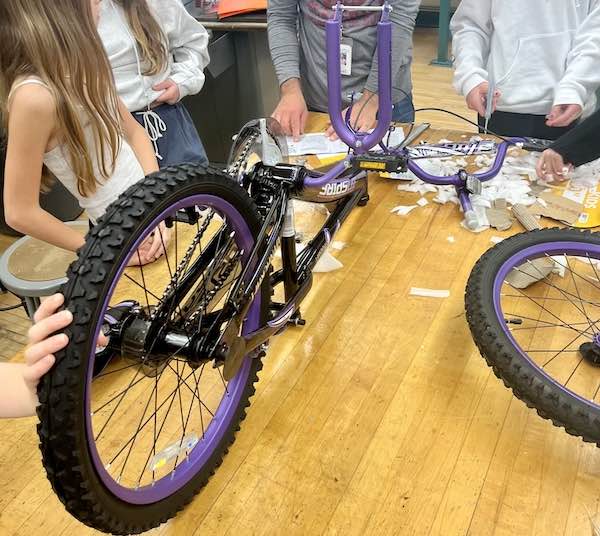 Assembling bicycles for children at El Centro HispanoIn 1948, the United Nations General Assembly adopted the Universal Declaration of Human Rights which, according to their website, has become a "common standard of achievement for all peoples and all nations, towards which individuals and societies should strive by progressive measures, national and international, to secure their universal and effective recognition and observance”.
Since its creation by the UN in 1950, Human Rights Day has not only been celebrated internationally, but it has also served to spread more awareness about the Declaration of Human Rights and how, “ Human rights can empower individuals and communities to forge a better tomorrow. By embracing and trusting the full power of human rights as the path to the world we want, we can become more peaceful, equal and sustainable.”
For twenty-one years, Scarsdale Middle School has also observed Human Rights Day by providing their students with an enriched day of experiential learning. The day’s dozens of hands-on workshops not only teach the students about human rights, but also equip them with the knowledge, empathy, and motivation to make a difference in our community and in the larger world.
In addition to classes and workshops thoughtfully cultivated by each of the middle school teachers, there were three keynote speakers. Students in sixth grade took part in an assembly featuring Dina Zuckerberg from myFace, a non-profit organization “dedicated to transforming the lives of patients with craniofacial conditions by funding medical, surgical, dental care.” Ms. Zuckerberg, Director of Family Programs at myFace, shared her experiences of being bullied due to a craniofacial difference much like Auggie in the book Wonder. Her message focused on the importance of celebrating uniqueness, being an upstander, and choosing to be kind. After the assembly, students created kindness bracelets to be donated to Able Athletics, an organization that helps differently abled athletes participate in sports.
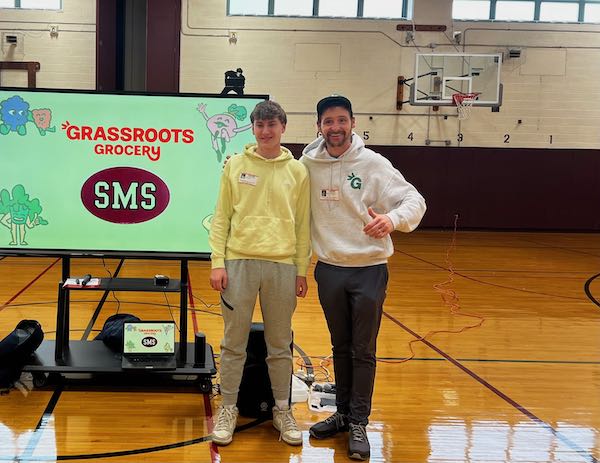 Dan from Grassroots Grocery with student ambassador Jack Levin.Students in seventh grade attended an assembly with Dan Zauderer, the founder of Grassroots Grocery, a produce rescue and delivery program based in the Bronx. Zauder talked about the mission of his organization and spoke to the importance of access to healthy food to under-resourced communities that often remain out of reach. His basic tenet is that together we can drive out hunger. After the assembly, students identified nutrient rich foods to assemble in snack bags to be delivered and immediately distributed to those in need.
Eighth grade students heard from Owen Condon, Volunteer Program Manager from the Afya Foundation, a nonprofit organization whose mission is to “connect those who have medical supplies with those who need them, delivering hope and healing around the world.” The Afya Foundation was founded by a Scarsdale graduate and works to collect unused medical and hygiene supplies to send to those recovering from a disaster. Students learned about Afya’s work and how they capture medical and hygiene items that would become waste and then distribute them to areas with little access. After learning about Afya, students then participated in a drive to collect hygiene supplies, which they sorted and bagged supplies which will be donated to those most affected by recent natural disasters.
In addition to the keynote speakers, students participated in workshops ranging from working with Guiding Eyes to create dog toys for guide dogs to baking cookies for Meals on Main, a food pantry in Port Chester.
In one workshop, students headed outside to help prepare the SMS garden for winter. With the help of Kaleidoscope Garden Designs, students first harvested vegetables to be donated to Meals on Main and then learned how to clean up the crops, compost the unused material, and cover the crops for winter.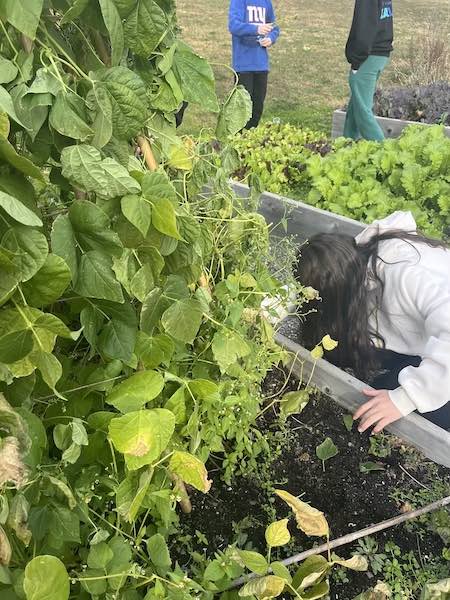 Preparing the garden for winter.In another class, students learned about El Centro Hispano, a nonprofit in White Plains that works “to assist, support, and strengthen Hispanic families; to help them become self- sufficient; and to ease their transition into their new culture while maintaining and enriching their own.” Students also learned about Día de los Niños, a celebration that honors children and their importance to society, and then helped to assemble new bicycles that will be gifted to immigrant children on this special day later this spring. In addition to building bikes, students wrote cards in Spanish for the children.
Some students even became architects for the day and designed earthquake-resistant buildings. Students worked in teams to design and make models of buildings that resist earthquakes and are cost effective. Each team had a different budget to “buy” supplies which proved to be a powerful lesson for the students in how funding could determine how sound their buildings turned out.
In their classes, SMS art teachers had students participate in an act of kindness by decorating candles for Creative heARTS, “a program at White Plains Hospital that utilizes the artistic talents of volunteers and community members in order to engage with hospital patients and staff in a meaningful way. Volunteers are asked to create and donate handmade items—such as origami, jewelry, small pictures and paintings, poetry, knitted or crocheted items, and greeting cards—for distribution to patients in the Center for Cancer Care, staff throughout the healthcare system, and to the hospital's gift shop locations.”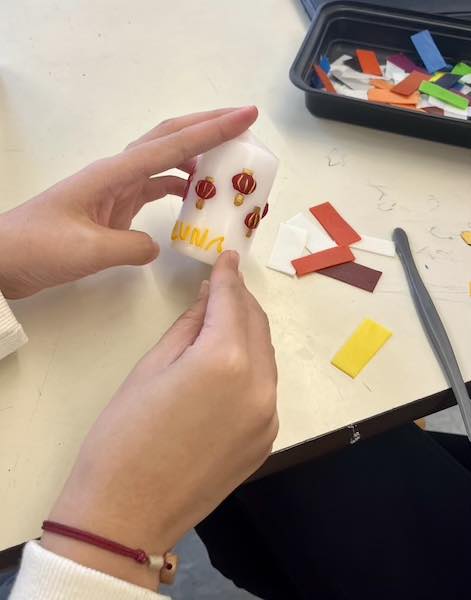 Decorating candles for Creative heARTS
In yet another class, students learned that housing is a human right and how 3D housing is becoming a more affordable way to create homes for unhoused individuals. In this class, students designed floor plans including all the things that are needed to make a home comfortable. At a later date, the students will print 3D miniature models of their homes.
Scarsdale High School students were also on hand as volunteers for Able Athletics. Able Athletics is a non-profit that is “dedicated to providing inclusive sports opportunities for children with different abilities, integrating them with volunteer athletes from the community. Their mission includes educating volunteers on unique needs, communication strategies, and expectations.” The high school volunteers spoke with middle school students about their experiences working with athletes with various disabilities and encouraged the younger students to get involved. SMS students also had the opportunity to experience playing various sports with different disabilities such as playing basketball while in a wheelchair. 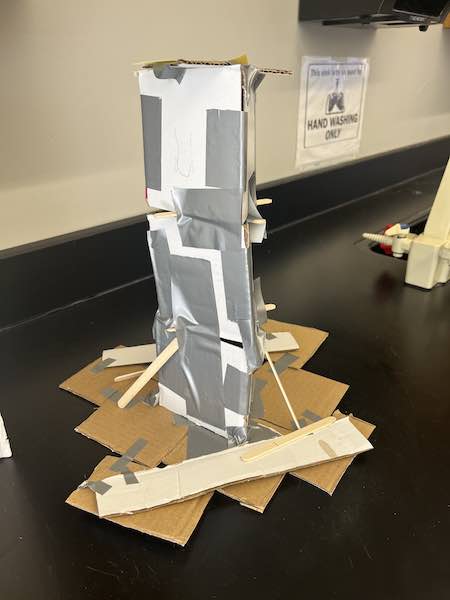 Designing earthquake-resistant buildings
Throughout the day there were dozens of other thought-provoking workshops that explored the Declaration of Human Rights, encouraged students to look at the world from different perspectives and to take action to make a positive contribution to their community.
This exceptional day of hands-on learning was the outcome of the work of SMS teachers Tayla Holtzer and Cara Forray, who planned and organized the day. Holtzer related that “All of the SMS teachers deserve recognition for creating lessons that support this day and provide students with authentic learning experiences!” She added, “This is the 21st year of Human Rights Day at SMS. Human Rights Day is so important because it gives kids the chance to put themselves into other people's shoes. These "shoes" might be someone who is visually or hearing impaired; these "shoes" might be those who do not have enough supplies; these "shoes" might be those recovering from a disaster. Most importantly, this day enables students to learn what the 30 basic human rights are, and how we can help all humans get more access to them.”
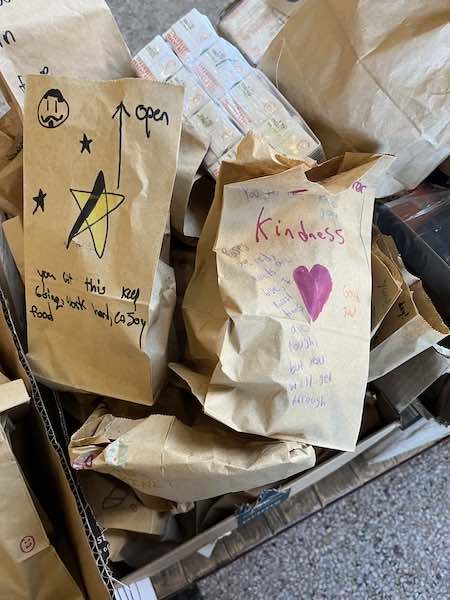 Snack bags packed by students for Grassroots Grocery.
Science Education: Student Driven Inquiry Replaces Lab Experiments in the Scarsdale Schools
- Details
- Written by: Wendy MacMillan
- Hits: 2556
 The world around us continues to evolve and shift at a sometimes dizzying pace. While this can occasionally feel overwhelming, in the area of advancing instruction Scarsdale Schools always seem to plan ahead and to be well prepared to adapt smoothly to the changes. This sort of forethought was evident during an Education Report given at the Board of Education meeting on Monday, November 4th. During the report, Dr. Edagr McIntosh (Assistant Superintendent for Curriculum) and Dr. Jennifer Kiley, Elementary Science Coordinator, presented the Status of Key Priorities, Science K-5 which gave an update on the adoption of Next Generation standards in science K-5.
In his opening remarks, Dr. McIntosh discussed the adoption of Next Gen standards (https://www.nextgenscience.org/) and how the arc of the work has lined up with Scarsdale's Strategic Plan, "Especially as they connect to Living, Learning, and Leading...and the skills and dispositions we are looking to nurture across content areas-ones reflected in the drafts we have for a Profile of a Graduate" He went on to urge Board Members to listen for examples of exploration, problem solving, communication of thinking, collaboration, and creative and critical thinking during the presentation.
In detailing the process in which the new science standards were adopted, McIntosh noted:
“In Research: We rely on the scholarship through the Next Generation Science Standards- specifically the ones expanded and enriched by New York State, various Professional Organizations, and Internal Collegial Research.
Collaboration is essential here- particularly among educators, and the important decision involving grade-specific pilots in two programs, and continued partnerships with BOCES and higher education.
Support takes various forms through Program Improvement, STI (Scarsdale Teacher Institute) courses in Science, Science consultants, and assured tailored Workshops for all new teachers and those changing grades.
I spoke about patience earlier: Jen will go into more detail about the Implementation across the years, the pacing, the adjustments, and the Interdependence of rollout of initiatives (for example, we made the determination to delay the official Reveal math adoption at the 5th grade because it was the first year of new units in 5th grade science) ---patience also means that we are not finished. While we are only using NGSS-aligned materials, we are dedicated to ongoing iteration and review- specifically a revisit to earlier grades.”
To demonstrate this patience, McIntosh shared a timeline of the process:
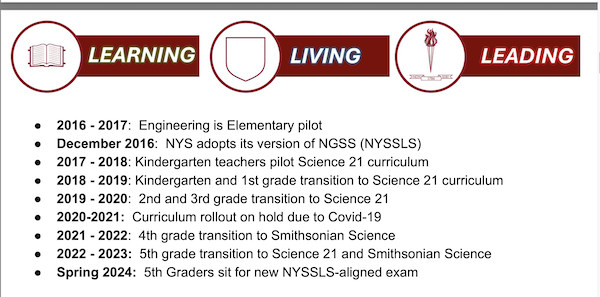
To begin her portion of the presentation, Dr. Kiley first described several ways Next Gen Science Standards have shifted the way teachers approach science instruction.
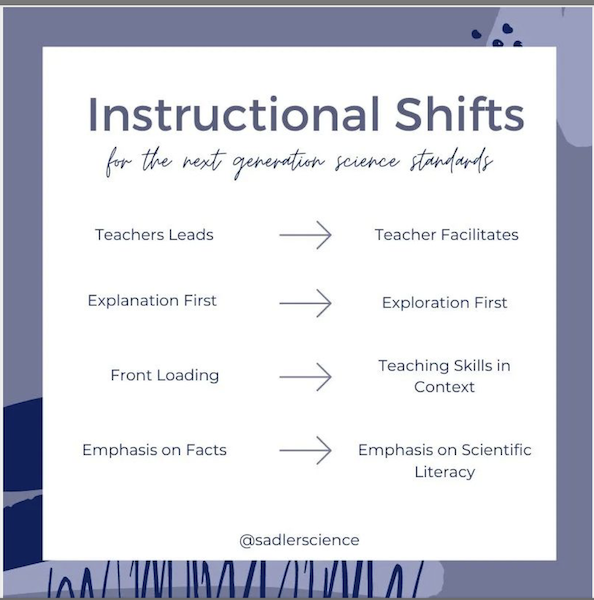
Kiley explained that, “Teachers now serve as facilitators of knowledge and skills. The days of confirmatory lab experiments are behind us, instead students encounter intriguing phenomena that spark their curiosity and inspire a flurry of questions. Student driven inquiry then helps shape instruction. Rather than front loading skills, teachers introduce them as students encounter relevant challenges ensuring that learning is contextually meaningful. Focus has shifted from memorizing and regurgitating science facts to cultivating science literacy and critical thinking skills.”
Kiley then detailed an example of this new approach and how it works to meet NY standards in Scarsdale elementary classrooms. In her example Kiley exemplified how teachers foster three dimensional learning about space systems: Stars and the Solar System.
Kiley’s overview started with an explanation that the goal of inquiry based learning is to, “Foster a classroom environment where students take an active role.” She went on to describe how the approach is student centered and encourages them to ask questions, conduct experiments, and explore real world problems. Kiley stated, “Rather than teachers telling the students the answers to all their questions they just generated, students set out to explore their natural world and gather data.”
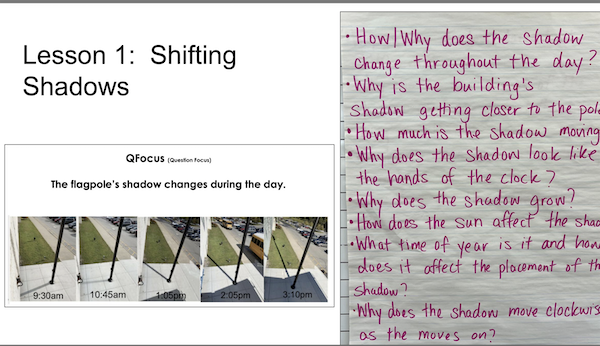
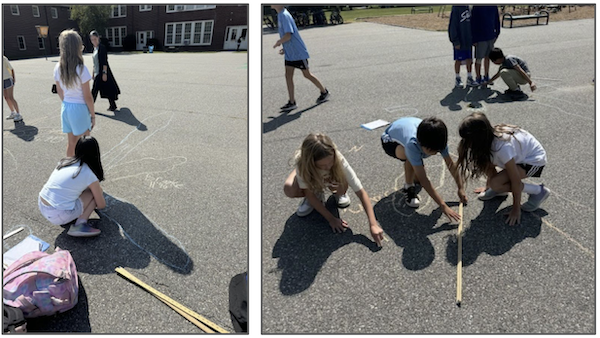
In her slideshow, Kiley demonstrated how students first started exploring our solar system by studying the shifting shadows of a flag pole. After seeing the shadow of the flagpole at different times of the day, students of the 5th grade class then generated a list of questions. Rather than telling students the answers to these questions, students engaged in a series of real world projects and activities that allowed them to discover their own answers.
Students picked one classmate to stand in the same spot at different times during the day and traced their shadow to see how it shifted with the movement of the sun.
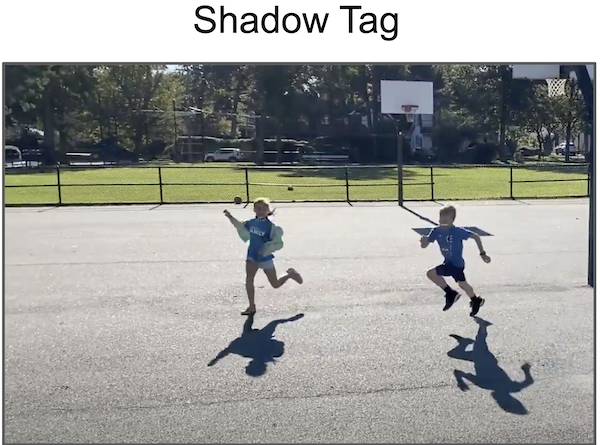
Students played a game of shadow tag in the morning and then were asked to predict if they felt it would be harder, easier, or the same to play shadow tag at lunch.
Kiley described how once the data is collected, the students graph it so they can analyze and interpret their results. She also explained that graphing data makes it easier for students to identify patterns and trends…in this case as they relate to the sun’s movement through the sky and the length of the shadows.
In another part of the Shifting Shadows unit, Kiley described that “After learning that shadows change size, students are ready to dig deeper into the cause and effect relationship. The students then plan and carry out their own investigations.”
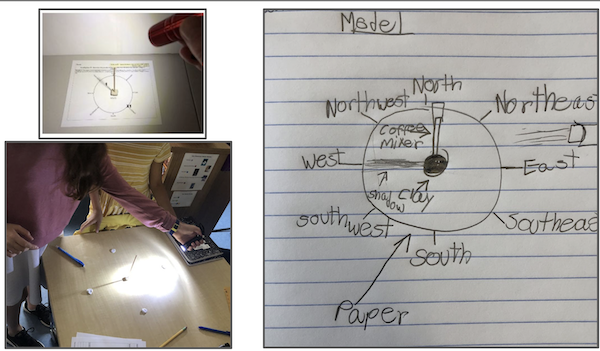
Students went on to build their own models and used flashlights to imitate the light of the sun. Kiley related, “With the models they created, students connect the lab based learning to the real world phenomenon they experienced during their shadow tracing lesson.” She added, “The act of creating a model also helps students organize their thoughts and prepares them for written communication.”
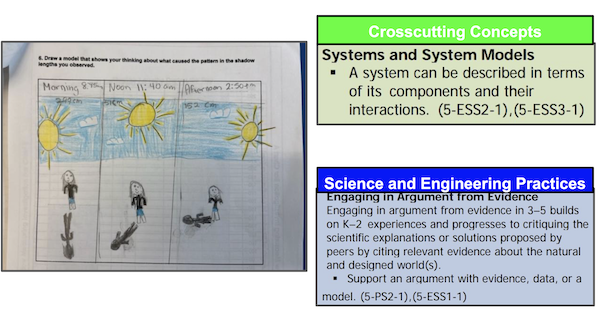
Before describing several other steps in this unit of learning. Kiley shared:
“As mentioned before, the days of confirmatory lab experiments are behind us. More beneficial to students is when they plan their own scientific investigations. [When students do this] they develop key scientific skills like critical thinking, problem solving, hypothesis forming, variable identification, experimental design, data collection, analysis, interpretation, communication, and reasoning skills. Students learn to draw conclusions based on the evidence they have collected and analyzed.”
Kiley’s presentation goes on to outline several other important steps of the students’ investigations and learning about our solar system and how they meet Next Gen standards. See all the slides of the presentation here. Or watch the presentation in its entirety here.
Girls Raiders Fall to Arlington in Section Championship
- Details
- Written by: Dave Taber
- Hits: 1878
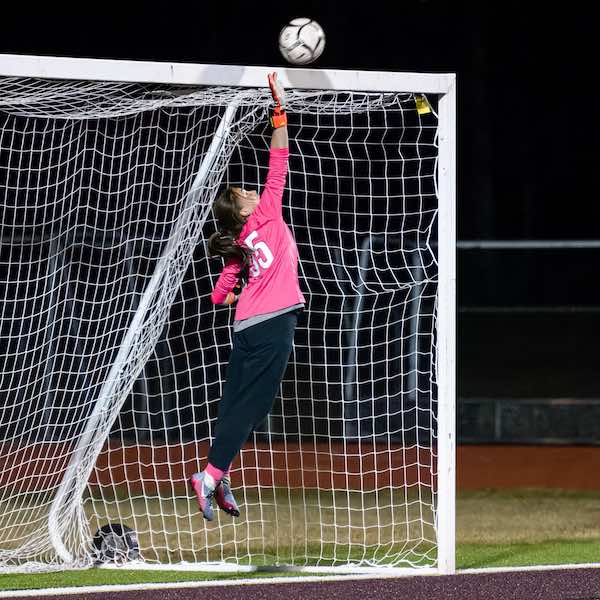 Senior goalie Lilly Tessler (35) makes a great save.The Scarsdale High girls soccer team faced off against top-seeded Arlington in the Section 1 Class AAA championship match on November 2nd at Arlington High School in LaGrangeville, NY. Arlington came out on top 2-1 in a well-played closely contested match.
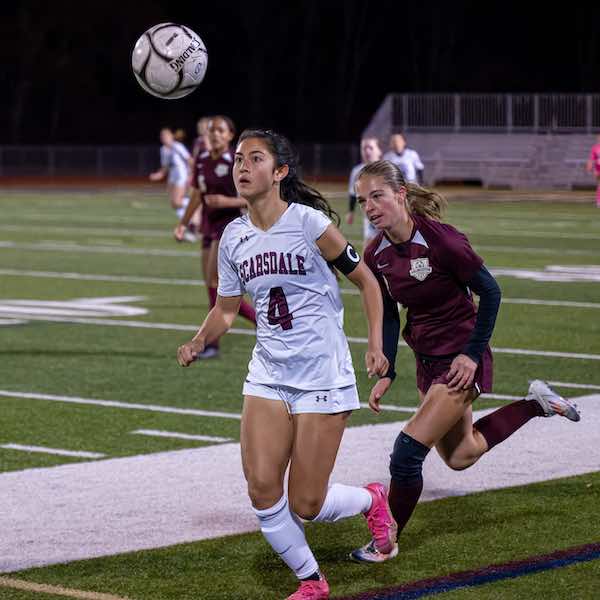 Senior forward and captain Mia Laboy (4) chases down the ball.
The Raiders finished their season with a regular season record with a record of 10-2-2. They then beat Mamaroneck and North Rockland in the Section 1 playoffs before falling just short to the admirals on Saturday.
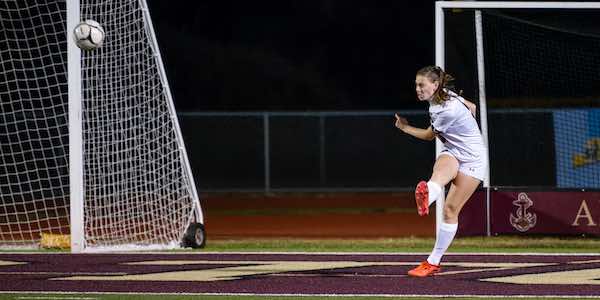 Senior captain Naomi Fischer (5) pounds a goal kick.
Photos by Dave Taber of Shots of the Game
To see more game photos and/or download photos, please visit https://www.shotsofthegame.com/
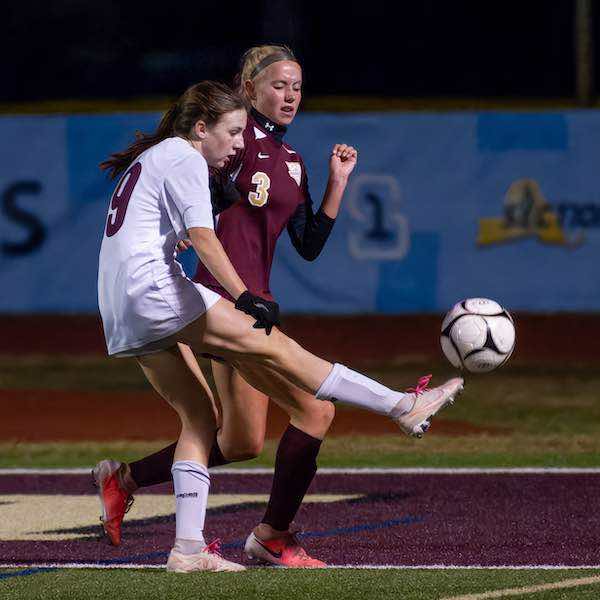 Freshman midfielder Paige Neustadt (19) beats her opponent to the ball.
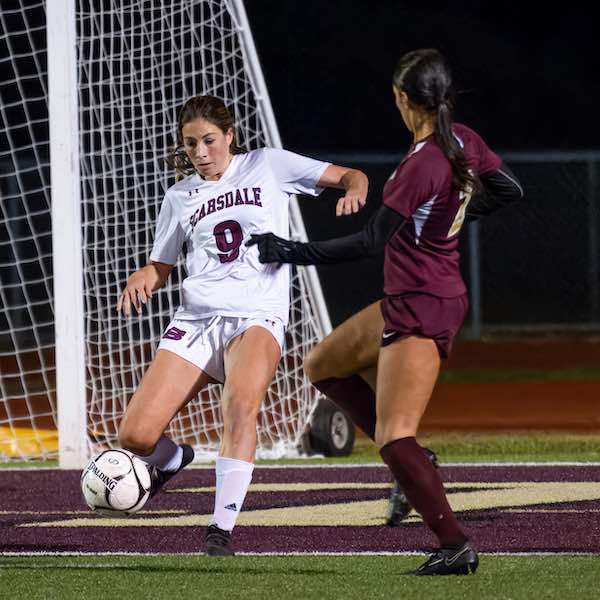 Junior midfielder Leah Brown (9) clears the ball.
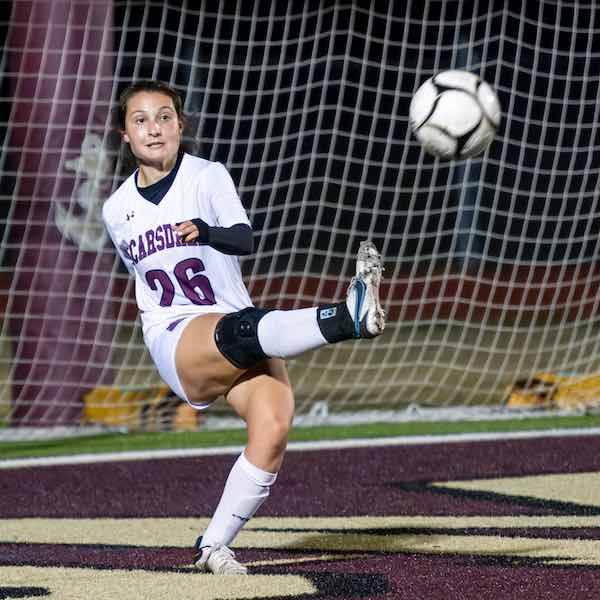 Junior defender Talia Arovas (26) send a goal kick downfield
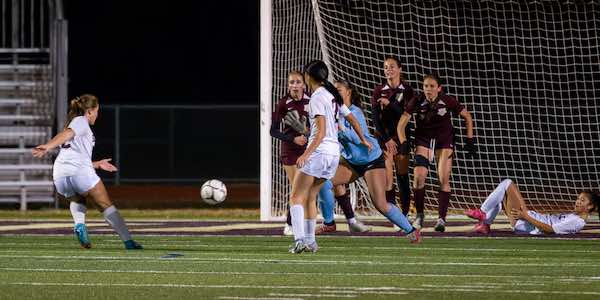 Junior midfielder Gia Asen (22) ties the game up 1-1.
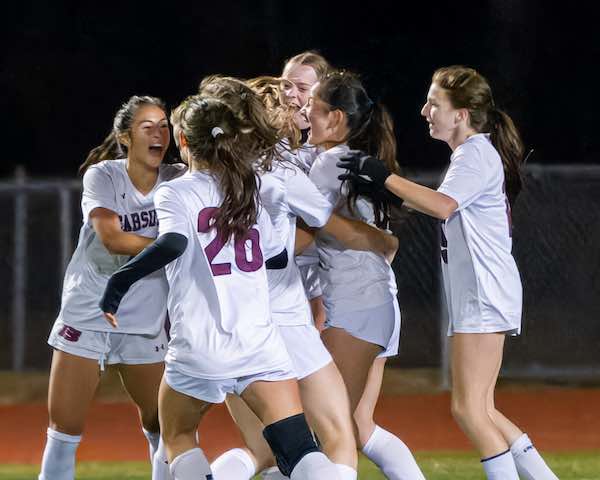 The Raiders celebrate Gia Asen’s goal.
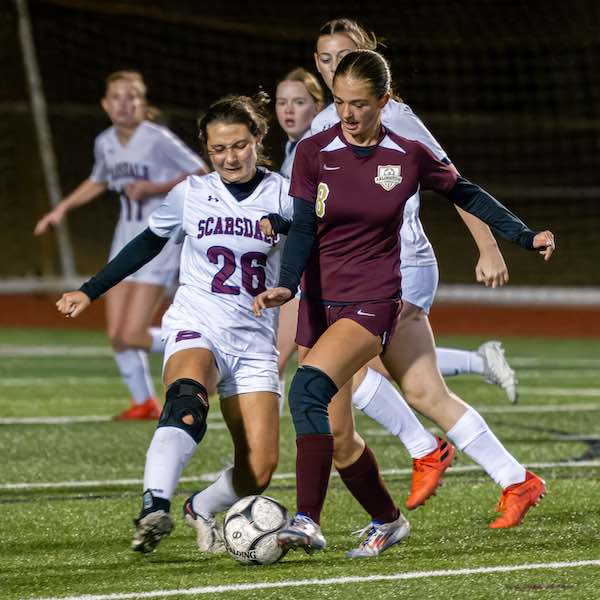 Junior defender Talia Arovas (26) battles with her opponent for control of the ball.
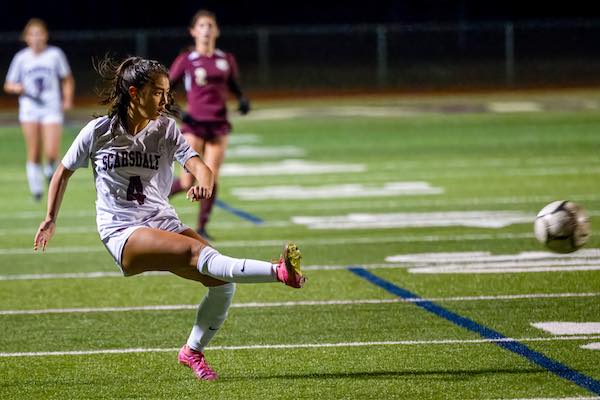 Mia Laboy (4) fires a kick.
- Raiders Triumph 4-0 Over Mamaroneck in 1st Playoff Game
- The Proof is in the Pudding: Scarsdale Students Shine On Assessments and Beyond
- Girls Soccer Team Roars Back for a Win Over Mamaroneck
- At the BOE: Update on Bond Projects, Blue Ribbon School Announcement and Comments from Parents on the Rolling Grade Book