







Acclaimed Children's Book Author to Visit Scarsdale Public Library
- Details
- Hits: 4896
 Maryrose Wood, acclaimed author of The Incorrigible Children of Ashton Place series, will visit the Scarsdale Public Library on Tuesday, May 28th at 7 pm for the Grade 5-6 Bookclub.
The first two books in Wood's continuing series about the "incorrigible" children and their governess, The Mysterious Howling (Book I) and The Hidden Gallery (Book II), are very popular with library patrons and have been reviewed by the School Library Journal, which described Book I as, "Jane Eyre meets Lemony Snicket in this smart, surprising satire. Humorous antics and a climactic cliff-hanger ending will keep children turning pages and clamoring for the next volume, while more sophisticated readers will take away much more." Book II has been described as, "Another series of uproarious escapades."
"We are so excited to welcome Maryrose Wood to our children's book club this month!" said Scarsdale Public Library Executive Director Elizabeth Bermel. "We have seen how popular The Incorrigible Children of Ashton Place series is, especially with our 5th and 6th-graders, so we know that all of the kids will be looking forward to meeting the author and asking her questions about what to expect in the storyline."






















Residents Voice Support for Proposed Scarsdale School Budget
- Details
- Hits: 11137
 We are residents of Scarsdale and the Mamaroneck Strip -- young and old, community volunteers and leaders, families and empty-nesters, and all points in between -- who will vote "YES" to support the Scarsdale School Budget.
We urge you to Vote "Yes" because:
- The Budget maintains class size practices at all levels, K-12, and foreign language studies and instrumental music at the elementary schools.
- The proposed Fitness, health and learning center and plant upgrade will serve all SHS students -- male and female, athletes and non-athletes -- for years to come.
- The renovation is an essential first step to accommodate future growth needs and flexible/collaborative learning opportunities.
- The Budget proposes among the lowest year-over-year budget growth rates in years, and the non-personnel budget is reduced from what it was five years ago.
- Draining reserve balances further to fill some of the gap would leave an even larger revenue hole next year and in future years, leading to further program cuts or large tax spikes.
- A defeat of the budget would likely lead to over $700,000 in cuts (with High School teacher and librarian positions among the first cuts likely to be considered).
Please take the ten minutes to drive to the Middle School between 7am and 9 pm and vote in favor of the 2013-14 budget.
Help achieve the required 60% supermajority 'Yes' vote.
Help preserve the national-landmark Scarsdale public education system that makes Scarsdale the special place it is.
YOUR VOTE WILL MAKE A DIFFERENCE, THIS YEAR MORE THAN EVER!!
Thank you.
Amy Paulin and Ira Schuman
Carolyn and Michael Stevens
Tom and Harriet Sobol
Stephie and Bill Miller
Rita Golden
Carl and Betty Pforzheimer
Ed Morgan
Norman Alterman
Barbara Jaffe
Arthur and Erika Rublin
Moira Crouch Bandsma
David M. Brodsky
Nell Brodsky
James Dugan
Peter and Miriam Popp Seeley
Leah and David Dembitzer
Jeff Spiegel
Susan Kessler Ross and Seth Ross
Lisa Messinger and Aaron Panken
Charlotte Carr
Liz Whitney
Suzanne Glaser
Pamela Fuehrer
Mary Beth Evans and Dan Moretti
Barbara Jaffe
Gayle and Andrew Hutcher
Rippy Phillips
Michelle and Frank Lichtenberg
Lynne and Merrell Clark Stephanie Glaser
Pam Rubin
Lisa and Jordan Copeland
Kristin and Gary Friedman
Mitchell Seider
Eli and Elaine Mattioli
Jennifer Constantin
John and Erika McCann
Vincent and Debra Franco
Jonathan Tamir
Mike and Melissa Barletta
Melissa Cates and Roger Claman
Jennifer and Mark Rossano
Denise Josephs
Lauren Mintzer
Dalit Stern
Lisa Rodman
Eileen Donovan
Karen and Rob Ceske
Jane and Jay Cohen
Shirley and Hyman Shwiel
Maura Wogan and Ken Schacter
Emily and Ira Kirschenbaum
Jeffrey and Melanie Spivak
Ruth Raisfeld and Len Benowich
Victoria C. Silver
Jon Leslie
Kathryn and James Brandt
Ottilie Jarmel and R. Craig Tracy
Nancy and Bruce Frank
Debbie and David Rapaport
Carmen Hall
Beth Cukier
Samantha Shabman
Ruth and Andrew Suzman
Felisa DiSanto
Melissa and Eric Berridge
Bill and Liz McInerney
Lee and Nan Berke
Nancy and David Michaels
Nancy and John Alderman
Allison Beitler
Leslie and Campbell Anderson
Lucy D'Ambrosio
Diane and Marc Greenwald
Margie and Morgan Miller
Xue Shi
Jocelyn and Scott Sontag
Dan and Margot Milberg
Jeri and Andy Casden
Valerie and Steven Abrahams
Susan Freedman
Brett and Jennifer Fischer
Denise and Jeff Rothberg
Lynn and Michael Pollack
Beth and Jeff Gelles
Caren and Jonathan Greenhouse
Liz and Steve Gruber
Alice Singer Gorelick
Sybil and Harvey Barten
Amanda and Baboo Rangaiah
Jeff and Susie Stern
William Rosenstadt
Suzanne and Sean Kelly
Mary Goldblatt
Marie and Nick Girardi
Kristin Krohn
Peter and Alice Herman
Jennifer Schmelkin
Terry Singer
Leora Rub
Ed and Alice Howard
Andrea and John Brandt Dana Matsushita
Leesa Chalk Suzman
Linda Plattus
Isabel and Jonathan Finegold
Jennifer Gross
Denise B. Koslowsky
Cynthia and Marc Samwick
Heather Gilchriest Meili and Stephan Meili
Amy Frank
Kim Burnham
Anne and Michael Moretti
Christine Sloben and Mike Lewis
Michelle Sterling and David Fenigstein
Jane and Jim Buck
Charlotte and Rick Carr
Liz and Ken Whitney
Dr. Harry Fisch and Karen Fisch
Debra Lagapa and Bill Squadron
Dr. Monica Rieckhoff and John Spiro
Sara and David Kober
Linda and Sal Oliverio
Theresa and Keith Goldberg
Erica and Peter Zurkow
Dr. Stephen Nicholas and Eileen Nicholas
Kathy and Ed Coleman
Mitch and Rachel Katz
Tracey and Bob Lee
Kathy and Michael Cutlip
June and Neil Winward
Tricia and Bill McFarland
Carrie and Howard Belk
Rusty and Angela Varlotta
Jane and Jim Felix
Anne and Mark Ellman
Penny and Paul Bauersfeld
Beth and Peter Dell'Orto
Geoff and Carol Fitzgerald
Lisa and Warren Dodge
Rick Knief
Geralyn and Ralph DellaCava
Catherine and Tom Souther
Margeret and Larry Smith
Monica and Henry Aboodi
Karen Brew
Kim and David Goldban
Laurie and Larry Medvinsky
Joan Taback Frankle
Judy and Peter Hamra
Monica Fried
Claudine Gecel and Stephen Sabba
Felisa DiSanto
Susan and John Gevertz
Jenny Glucksman
Debbie and Steven Singer
John and Jacquie Walter
Jon and Nicole Ungar
Howard Nadel
Anna Decker and Alan Lowenfels
Linda Blair and Bill Doescher
Betsy and Peter Evans
Viveca Teuber
Lauren Kessler
Dr. Nancy and Steven L. Kirshenbaum
Joy Henshel
Vic Goldberg
Harvey Ashman and Linda Doucette-Ashman
Olga and Simon Eligulashvili
Jill Scheuer and Keith Pattiz
Kelly and Alan Ware
Jennifer Barrett
Beth and Danny Bernstein
and the
Coalition for Scarsdale Schools
Arthur S. Rublin, Chair
Jeff Spiegel, Treasurer
Moira Crouch Bandsma (Edgewood);
Jim Dugan (Fox Meadow);
Miriam Popp Seeley (Greenacres);
David M. Brodsky (Heathcote);
Leah Dembitzer (Quaker Ridge)
Helene Gray to Serve as WRT's New President
- Details
- Hits: 7083
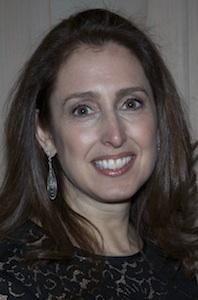 Westchester Reform Temple has a new president. On May 7th 2013, congregants elected Helene Gray, the current Vice-President of WRT's Board of Trustees to serve as the synagogue's next President.
Helene and her family have been Scarsdale residents and members of WRT for the past twelve years. During that time, Helene has been involved in a wide-array of activities at the synagogue. She served as a co-chair of the Religious School Board and the Raising the Bar Committee, and as a member of the Early Childhood Center (ECC) Task Force, the Nominating Committee, the Rabbinic Search Committee, and the Shoah Awareness Committee. Helene also proudly taught a Yiddish class alongside Cantor Stephen Merkel, of blessed memory. Helene joined the WRT Board of Trustees in 2011 and currently serves as a Vice-President.
Outside of WRT, Helene sits on the Board of Overseers of the Museum of Jewish Heritage-A Living Memorial to the Holocaust and is a Co-Chair of the Museum's Associates Division. Through her work with the Museum, she has been dedicated to Holocaust remembrance and education for the past 25 years. Locally, Helene has served as an area chair for UJA's Scarsdale Women's Campaign. She has previously served as Treasurer of the Board of Directors of the Alumnae Association of Barnard College, from which she graduated in 1988. Helene's professional background is in public relations and marketing communications.
She is married to Dr. Richard Gray, an oral and maxillofacial surgeon practicing in New York City. They have three sons, Samuel (15), Jonah (13) and Daniel (7) who are all graduates of the temple's Early Childhood Center program and are currently enrolled in the religious school.
WRT will celebrate its 60th anniversary with events and activities beginning in the fall of 2013. Helene and the Gray family are honored that she will serve as the next President of WRT and they are excited to be a part of the history of this synagogue during this landmark year.
Former Scarsdale Dean Mendelowitz Receives Light Sentence
- Details
- Hits: 13660
 Former Scarsdale High School Dean David Mendelowitz was sentenced to 5 years' probation on Monday for his part in a federal prostitution and drug ring. Mendelowitz pleaded guilty to hindering prosecution and drug possession, only two among the several charges he faced. Late last fall, Mendelowitz was arrested and named in a 180-count federal, state and local indictment that charged 19 people in a prostitution ring. Authorities say Mendelowitz confessed to arranging for drugs and for the services of prostitutes named Yoyo and Suji through one of the men accused in the ring. He was also accused of tipping off one of his contacts to the government's investigation.
Mendelowitz could have faced up to four years in prison. As part of his probation conditions, he will have to undergo random, weekly drug tests and continue attending AA meetings.
While at Scarsdale High School, Mendelowitz was involved with the schools' Drug and Alcohol Task Force and Signifer Honors Society. News of his indictment shocked the Scarsdale community on November 20th due to his role as a community leader and role model and because he abused the same laws he upheld as a member of the Drug and Alcohol Task Force in Scarsdale.
Did the former Dean get off easy? Not according to experts. We spoke to Kerry Lawrence, a former federal prosecutor and now a criminal defense lawyer with Calhoun and Lawrence in White Plains about Mendelowitz's sentence and he said the felony conviction and five years probation was a "typical, appropriate sentence for the offence of conviction which were hindering prosecution and possession of controlled substances." According to Lawrence, "the felony conviction is disabling for Mendelowitz's future and his professional career," and he added "being on probation is punitive and a serious consequence. This is not just a slap on the wrist."
Pictured above – Mendelowitz was recently spotted shopping at CVS.
This article was contributed by Brian Shabto, a senior at Scarsdale High School.
Stomach Virus Sickens Attendees at Hilton Westchester
- Details
- Hits: 6350
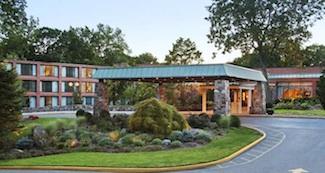 The Westchester County Health Department has reported an outbreak of what is believed to be Norovirus among those attending events at the Hilton Westchester, a.k.a the Rye Town Hilton during the weekend of April 20 and 21. Symptoms of the stomach bug are vomiting and diarrhea and an unconfirmed number of guests fell ill after leaving the Hilton. The Health Department first sent out an alert on April 26 to report the outbreak and followed up with another release on April 30th reporting that they are continuing to investigate the cause of the virus and put a stop to it.
Among the steps currently being taken are:
1. Arranging for an outside contractor to provide an industrial cleaning of all hotel surfaces, with a special focus on the banquet halls;
2. Contracting for corporate health staff and corporate sanitarians to be present and to assist in assuring that all health department recommendations are being carried out by staffers;
3. Discontinuing service of uncooked foods that are prepared on site, and substituting commercially prepared salads and uncooked fruits; and
4. Providing a 72-hour paid furlough to all banquet service and kitchen staff starting now through Friday night.
According to the Rye Patch, attendees at the Pelham Picture House Big Night Spring Gala held on April 20 were victims as well as attendees of other events that weekend.
Visit www.westchestergov.com/health for more information about Norovirus.